Have you ever stopped to truly think about the unsung hero sitting silently beneath your mouse? It’s often overlooked, but your mouse pad is a critical piece of your setup, whether you’re battling in the latest game, designing intricate graphics, or crunching numbers for hours on end. For many, the classic Cloth Mouse Pad reigns supreme, offering a blend of comfort, control, and versatility that’s hard to beat. As a product designer with over a decade of experience crafting these surfaces and a content writer for Sdrav.com, I’m here to tell you why diving deep into the world of cloth mouse pads is a journey worth taking. It’s about more than just a surface; it’s about optimizing your experience, one smooth glide at a time.
Unraveling the Fabric: What Makes a Cloth Mouse Pad?
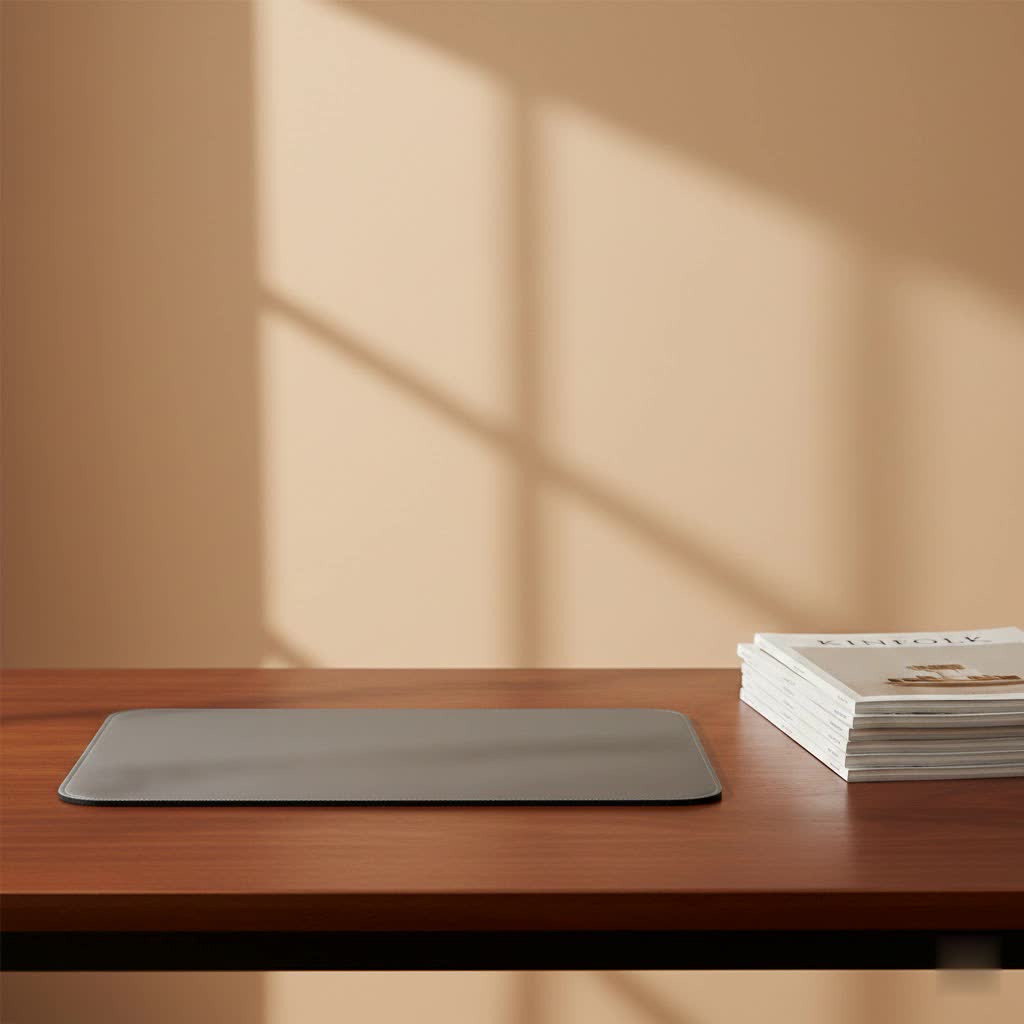
At its core, a cloth mouse pad is a finely engineered surface designed to facilitate precise and consistent mouse movements. Typically, it features a tightly woven fabric surface, often made from micro-woven textiles or other synthetic fibers, bonded to a soft, spongy base—most commonly made of natural rubber. This construction provides a unique tactile experience, offering a certain level of friction that allows for greater control compared to its harder counterparts. The fabric surface allows your mouse’s optical sensor to track accurately, while the rubber base ensures the pad stays firmly planted on your desk, even during the most intense gaming sessions or demanding work tasks.
The Feel of Fabric: Benefits of a Cloth Mouse Pad
The popularity of cloth mouse pads isn’t just a coincidence; it’s a testament to the tangible benefits they offer users across various activities.
Comfort for Extended Sessions
|
Our Picks for the Best Mouse Pad in 2026
As an Amazon Associate I earn from qualifying purchases.
|
||
| Num | Product | Action |
|---|---|---|
| 1 | MROCO Ergonomic Mouse Pad with Gel Wrist Rest, Comfortable Mousepad with Smooth Wrist Support Surface and Non-Slip PU Base for Pain Relief, Computer, Laptop, Office & Home, 9.4 x 8.1 in, Blue Waves |

|
| 2 | MROCO Ergonomic Mouse Pad with Gel Wrist Rest, Comfortable Mousepad with Smooth Wrist Support Surface and Non-Slip PU Base for Pain Relief, Computer, Laptop, Office & Home, 9.4 x 8.1 in, Black Flower |
|
| 3 | KTRIO Large Gaming Mouse Pad Desk Mat, Superior Micro-Weave Cloth for Precise Mouse Control, Non-Slip Rubber Base, Stitched Edges, Water-Resistant, for Gamer, Office & Home, 31.5\" x 11.8\" inches |
|
| 4 | KTRIO Excel Shortcuts Mousepad with Superior Micro-Weave Cloth, Extended Mousepad with Stitched Edges, Non-Slip Base, Water Resist Keyboard Pad for Gamer, Office & Home, Excel Shortcuts |
|
| 5 | MROCO Ergonomic Mouse Pad with Gel Wrist Rest, Comfortable Mousepad with Smooth Wrist Support Surface and Non-Slip PU Base for Pain Relief, Computer, Laptop, Office & Home, 9.4 x 8.1 in, Blue Marble |
|
| 6 | KTRIO Large Gaming Mouse Pad with Stitched Edges, Extended Mousepad with Superior Micro-Weave Cloth, Non-Slip Base, Water Resist Keyboard Pad for Gamer, Office & Home, 31.5x15.7in, Black Gold |
|
| 7 | MROCO Ergonomic Mouse Pad with Gel Wrist Rest, Comfortable Mousepad with Smooth Wrist Support Surface and Non-Slip PU Base for Pain Relief, Computer, Laptop, Office & Home, 9.4 x 8.1 in, Cloud Forest |
|
| 8 | MROCO Ergonomic Mouse Pad with Gel Wrist Rest, Comfortable Mousepad with Smooth Wrist Support Surface and Non-Slip PU Base for Pain Relief, Computer, Laptop, Office & Home, 9.4 x 8.1 in, Black Gold |
|
| 9 | MROCO Ergonomic Mouse Pad with Gel Wrist Rest, Smooth Wrist Support Surface, Non-Slip PU Base for Pain Relief, Comfortable Mousepad for Computer, Laptop, Office & Home, 9.4 x 8.1 in, Black |
|
| 10 | KTRIO Large Gaming Mouse Pad with Stitched Edges, Extended Mousepad with Superior Micro-Weave Cloth, Non-Slip Base, Water Resist Keyboard Pad for Gamer, Office & Home, 31.5x15.7in, Black Topographic |
|
One of the most immediate advantages of a cloth mouse pad is its superior comfort. The soft, pliable surface provides a gentle resting place for your wrist and forearm, significantly reducing discomfort during long hours of use. Unlike hard surfaces that can feel cold or abrasive, fabric feels natural and forgiving, making those marathon gaming sessions or extensive workdays much more pleasant. This ergonomic benefit is crucial for preventing fatigue and promoting healthier posture.
Unmatched Control and Precision
When it comes to precision, many argue that a good cloth mouse pad is in a league of its own. The woven texture of the surface introduces a controlled amount of friction, which translates directly into better micro-adjustments and stopping power for your mouse. This characteristic is particularly prized by tactical FPS (First-Person Shooter) gamers who rely on pinpoint accuracy for headshots and precise flick shots. As John Smith, a lead design engineer at a prominent mouse pad manufacturing company, aptly puts it, “A good mouse pad doesn’t just let your mouse move; it helps you command it. Cloth pads provide that tactile feedback that truly empowers precise control.” Modern optical sensors also tend to perform very reliably on cloth surfaces, as the varied texture scatters light consistently, improving tracking stability and lift-off distance control.
Portability and Flexibility
Need to take your setup on the go? Cloth mouse pads are your best friend. Their flexible nature allows them to be easily rolled up or folded without permanent damage, making them incredibly portable. Whether you’re heading to a LAN party, a coffee shop, or simply reorganizing your workspace, a cloth mouse pad can be stowed away with minimal fuss.
Quieter Operation
Another subtle yet significant benefit is the quiet glide. Compared to the sometimes-scratchy sound of a mouse gliding across a hard or glass surface, cloth pads offer a virtually silent experience. This can contribute to a more immersive environment, free from distracting noises.
Affordability and Variety
Generally, cloth mouse pads are more affordable than their hard or glass counterparts, making them an excellent entry point for new users or those on a budget. Furthermore, the manufacturing process allows for a vast array of sizes, thicknesses, and printed designs, ensuring there’s a cloth mouse pad to match every aesthetic and desk dimension. From compact pads to expansive desk mats that cover your entire workspace, the options are plentiful.
Weighing the Weave: Potential Downsides of Cloth Mouse Pads
While the benefits are compelling, it’s also important to acknowledge where cloth mouse pads might fall short for some users.
Maintenance and Durability Challenges
One common concern with cloth mouse pads is their susceptibility to dirt, dust, and spills. Since they are absorbent, stains can be more difficult to remove, and over time, oils from your hands or everyday grime can accumulate, leading to “slow spots” or “dead zones” where the glide feels inconsistent. While a well-maintained cloth pad can last years, some models may show signs of fraying at the edges without proper stitching. Humidity can also affect performance, as some fabric pads may slow down when exposed to high moisture or sweat.
Slower Glide (Compared to Hard/Glass)
For users who prioritize raw speed above all else, especially in games requiring wide, sweeping movements like some battle royales or arena shooters, the inherent friction of a cloth mouse pad might feel restrictive. While some cloth pads are designed for a faster glide, they generally cannot compete with the near-zero friction offered by glass or very slick hard plastic surfaces.
Cloth vs. The Competition: Hard and Glass Mouse Pads
To truly appreciate the cloth mouse pad, it’s helpful to understand how it stacks up against other popular materials.
Glide and Friction: Control vs. Speed
This is the most significant differentiator. Cloth mouse pads offer a medium-to-high friction surface, providing superb control and making small, precise adjustments easier. Hard mouse pads (plastic, aluminum) offer a faster glide with lower friction, which is excellent for swift, broad movements. Glass mouse pads take speed to the extreme with ultra-low friction, offering an almost frictionless experience.
Comfort and Ergonomics
Cloth pads excel in comfort, offering a soft surface that’s gentle on wrists. Hard and glass pads, by their rigid nature, offer less cushioning and can sometimes feel less comfortable over long periods.
Durability and Lifespan
While cloth pads can wear out over time, developing “dead zones,” many premium cloth pads are engineered for impressive longevity, especially with proper care and features like stitched edges. Hard plastic pads can degrade over time as their coatings wear, affecting consistency. Glass pads are exceptionally durable and resistant to wear, spills, and scratches, maintaining a consistent surface for years.
Sensor Tracking
As mentioned, cloth pads generally provide excellent and consistent sensor tracking. Hard pads, depending on their coating, can sometimes produce more reflective interference. Glass pads also offer very reliable tracking, often optimized for modern optical sensors.
Choosing Your Perfect Cloth Companion: Key Factors to Consider
Selecting the ideal cloth mouse pad for your needs involves more than just picking a design you like. Here’s what to look for:
Size and Space: Finding the Right Fit
Mouse pads come in a spectrum of sizes: small, medium, large, and extra-large desk mats. Your choice should directly correlate with your desk space and mouse sensitivity. If you play with a low DPI (Dots Per Inch) and make large, sweeping arm movements, an extended or desk mat is crucial to prevent running off the pad. For those with limited space or higher sensitivities, a medium-sized pad might suffice. Ensure it sits flat on your desk for a consistent surface.
Surface Texture: Speed, Control, or Balance?
Not all cloth surfaces are created equal. Some feature a smoother, tighter weave designed for a faster glide, often called “speed” pads. Others have a more textured, coarser weave that provides higher friction for “control” and stopping power. Many modern cloth pads aim for a “balanced” feel, offering a good mix of both. Consider your primary use: competitive tactical gaming often favors control, while fast-paced action games or general productivity might benefit from a more balanced glide. Some pads even have subtle differences in friction along the X and Y axes due to their weave pattern, which can be a deliberate design for certain aiming styles.
Thickness and Cushioning
Cloth mouse pads typically range from 2mm to 5mm or even thicker. Thinner pads offer less cushioning and can be more flexible, while thicker pads provide more comfort and can help compensate for slight desk imperfections. Softer foam bases allow your mouse to “sink in” slightly with pressure, offering additional stopping power and a plush feel. Harder foam bases provide a more consistent, firmer surface. It’s a matter of personal preference between maximum comfort and unyielding consistency.
Edge Stitching and Base Grip
High-quality edge stitching is a hallmark of durability in a cloth mouse pad. It prevents the fabric surface from fraying and peeling away from the rubber base, significantly extending the pad’s lifespan. Some premium pads even feature “stitchless” designs that require meticulous manufacturing to prevent peeling. The base grip is equally vital; a good non-slip rubber base will keep your pad firmly in place, no matter how intense your movements become. There’s nothing worse than your mouse pad shifting mid-game or during a critical design task!
Humidity Resistance
For those in humid climates or who tend to sweat during intense sessions, some cloth pads are treated or designed with materials that offer better resistance to moisture. This helps maintain consistent glide performance and prevents the pad from feeling “muddy” or “slow” when damp.
Aesthetics and Personal Style
Finally, don’t forget the visual aspect. Your mouse pad is a significant part of your desk aesthetic. With countless designs, colors, and patterns available, you can easily find a cloth mouse pad that ties your entire setup together and expresses your personal style.
Keeping It Fresh: Maintaining Your Cloth Mouse Pad
To ensure your cloth mouse pad delivers consistent performance and lasts for years, regular maintenance is key.
Regular Cleaning Tips
For everyday dust and minor grime, a simple wipe with a damp cloth can work wonders. For a more thorough clean, hand washing with mild soap and lukewarm water is often recommended. Gently scrub the surface, rinse it thoroughly, and then let it air dry completely flat to prevent warping. Avoid harsh chemicals or abrasive brushes, which can damage the fabric. Regular cleaning helps prevent the buildup of dead skin and oils that can create those dreaded “slow spots” over time. While some cloth pads might be machine washable, always check the manufacturer’s instructions first to avoid damage.
Expert Insight: The Sdrav.com Perspective
At Sdrav.com, our philosophy is rooted in the belief that the right gear can genuinely elevate your experience. “Choosing a cloth mouse pad is like selecting the perfect pair of shoes,” says our lead product tester, Anya Sharma. “It needs to fit your style, offer comfort for the long haul, and deliver reliable performance. The best cloth mouse pad isn’t just a purchase; it’s an investment in your productivity and enjoyment.”
Frequently Asked Questions (FAQ)
Are cloth mouse pads good for all games?
Yes, cloth mouse pads are excellent for most game genres, especially tactical FPS games like CS2 or Valorant where precision and micro-control are paramount. While hard pads offer more speed for certain fast-paced games, many professional players still prefer the control and comfort of cloth.
How often should I clean my cloth mouse pad?
It depends on your usage and environment. For heavy daily use, a light wipe-down weekly and a deeper clean monthly or bi-monthly is a good schedule. If you notice reduced glide consistency or visible dirt, it’s time for a wash.
Can I put my cloth mouse pad in the washing machine?
Some cloth mouse pads are machine washable, but always check the manufacturer’s care instructions first. Using cold water, a gentle cycle, and air drying is generally safest to prevent damage to the fabric or rubber base.
Do cloth mouse pads affect mouse sensor performance?
Modern optical mouse sensors are highly advanced and perform very well on most cloth surfaces. Cloth’s woven texture tends to scatter light consistently, which can actually improve tracking stability and lift-off distance control compared to some reflective hard surfaces.
What is a “control” mouse pad vs. a “speed” mouse pad?
A “control” mouse pad, typically a cloth pad with a more textured surface, offers higher friction for precise, deliberate movements and strong stopping power. A “speed” mouse pad, often a smoother cloth, hard, or glass pad, has lower friction for faster, effortless glides and wide-sweeping motions.
Conclusion: Your Journey to the Ideal Cloth Mouse Pad
Choosing the perfect cloth mouse pad is a personalized journey, influenced by your unique needs, preferences, and playstyle. As we’ve explored, these versatile surfaces offer an exceptional blend of comfort, control, and tracking stability that makes them a top choice for gamers and professionals alike. From the satisfying tactile feel to the precision they offer in critical moments, a well-chosen cloth mouse pad can truly elevate your entire computing experience. So, take the time to consider the factors that matter most to you – size, texture, thickness, and build quality – and embark on your quest for the ideal cloth companion. Your hands, and your performance, will thank you.
