In the dynamic world of computer peripherals, where every millisecond and pixel matters, the humble mouse pad often gets overlooked. Yet, for many of us at Sdrav, it’s the unsung hero, the silent partner that truly elevates your interaction with your digital world. If you’ve ever wondered what makes a great Soft Mouse Pad stand out, you’re in the right place. As a product designer with over a decade of experience creating these essential surfaces, I’ve seen materials evolve, designs innovate, and user preferences shift. Today, we’re diving deep into why soft mouse pads continue to be a top choice for both hardcore gamers and dedicated professionals, exploring their unique advantages in comfort, control, and overall user experience.
Why Choose a Soft Mouse Pad? The Comfort & Control Advantage
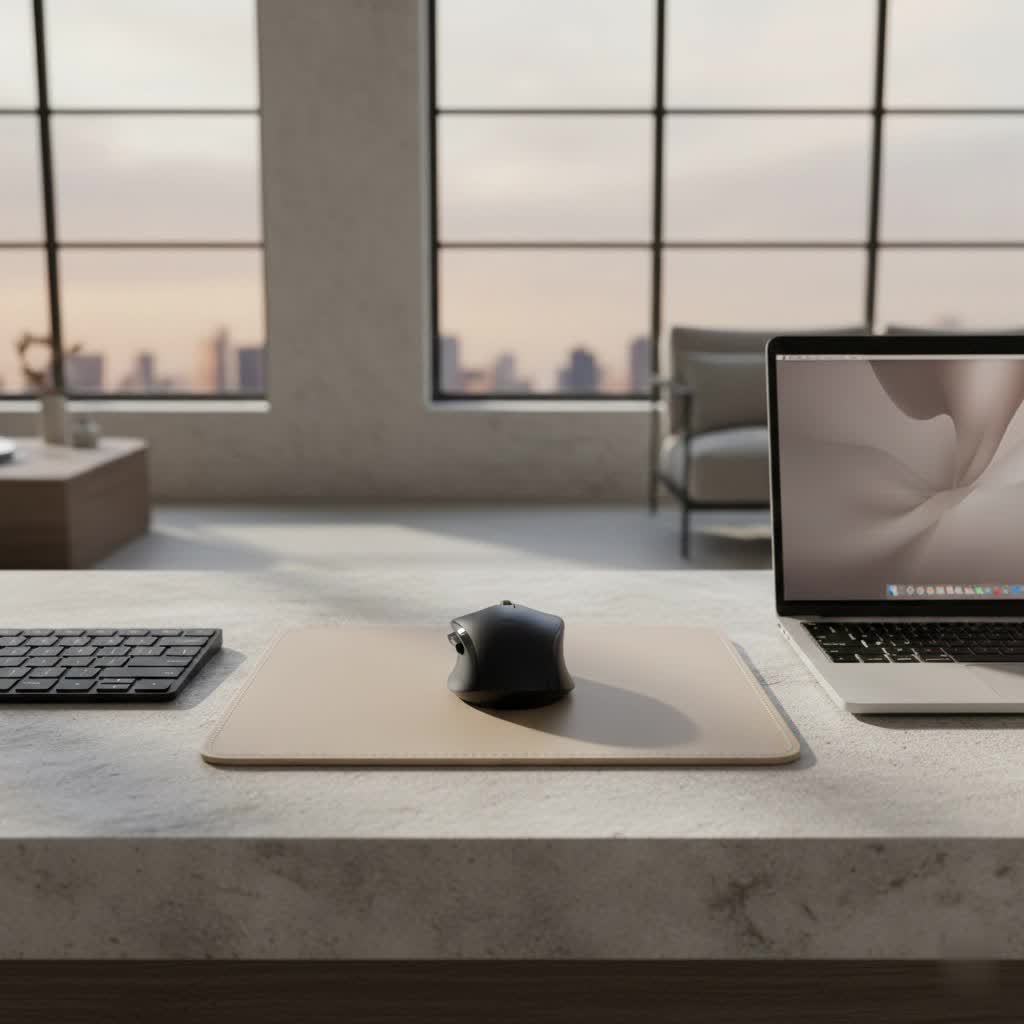
There’s a reason why the soft mouse pad has remained a staple on desks worldwide: it delivers a user experience that balances comfort with crucial performance. It’s more than just a piece of fabric; it’s a carefully engineered surface designed to respond to your every command.
Unrivaled Comfort for Long Sessions
|
Our Picks for the Best Mouse Pad in 2026
As an Amazon Associate I earn from qualifying purchases.
|
||
| Num | Product | Action |
|---|---|---|
| 1 | KTRIO Excel Shortcuts Mousepad with Superior Micro-Weave Cloth, Extended Mousepad with Stitched Edges, Non-Slip Base, Water Resist Keyboard Pad for Gamer, Office & Home, Excel Shortcuts |

|
| 2 | KTRIO Large Gaming Mouse Pad Desk Mat, Superior Micro-Weave Cloth for Precise Mouse Control, Non-Slip Rubber Base, Stitched Edges, Water-Resistant, for Gamer, Office & Home, 31.5\" x 11.8\" inches |
|
| 3 | KTRIO Large Gaming Mouse Pad with Stitched Edges, Extended Mousepad with Superior Micro-Weave Cloth, Non-Slip Base, Water Resist Keyboard Pad for Gamer, Office & Home, 31.5x15.7in, Black Topographic |
|
| 4 | MROCO Ergonomic Mouse Pad with Gel Wrist Rest, Comfortable Mousepad with Smooth Wrist Support Surface and Non-Slip PU Base for Pain Relief, Computer, Laptop, Office & Home, 9.4 x 8.1 in, Black Gold |
|
| 5 | MROCO Ergonomic Mouse Pad with Gel Wrist Rest, Comfortable Mousepad with Smooth Wrist Support Surface and Non-Slip PU Base for Pain Relief, Computer, Laptop, Office & Home, 9.4 x 8.1 in, Blue Waves |
|
| 6 | MROCO Ergonomic Mouse Pad with Gel Wrist Rest, Comfortable Mousepad with Smooth Wrist Support Surface and Non-Slip PU Base for Pain Relief, Computer, Laptop, Office & Home, 9.4 x 8.1 in, Cloud Forest |
|
| 7 | MROCO Ergonomic Mouse Pad with Gel Wrist Rest, Comfortable Mousepad with Smooth Wrist Support Surface and Non-Slip PU Base for Pain Relief, Computer, Laptop, Office & Home, 9.4 x 8.1 in, Black Flower |
|
| 8 | MROCO Ergonomic Mouse Pad with Gel Wrist Rest, Comfortable Mousepad with Smooth Wrist Support Surface and Non-Slip PU Base for Pain Relief, Computer, Laptop, Office & Home, 9.4 x 8.1 in, Blue Marble |
|
| 9 | MROCO Ergonomic Mouse Pad with Gel Wrist Rest, Smooth Wrist Support Surface, Non-Slip PU Base for Pain Relief, Comfortable Mousepad for Computer, Laptop, Office & Home, 9.4 x 8.1 in, Black |
|
| 10 | KTRIO Large Gaming Mouse Pad with Stitched Edges, Extended Mousepad with Superior Micro-Weave Cloth, Non-Slip Base, Water Resist Keyboard Pad for Gamer, Office & Home, 31.5x15.7in, Black Gold |
|
Imagine hours spent at your desk, whether battling digital foes or tackling complex spreadsheets. A stiff, unyielding surface can quickly lead to discomfort. This is where the soft mouse pad shines. Its cushioned surface, typically made from fabric, foam, or rubber, provides a gentle resting place for your wrist and forearm. This ergonomic support helps reduce strain and fatigue over extended periods, making those marathon sessions much more bearable. It’s like having a miniature, personal cloud for your hand.
Mastering Your Movements: Precision and Control
Unlike the slick, low-friction surfaces of hard mouse pads, a soft mouse pad offers a subtle yet significant amount of resistance. This textured surface gives your mouse sensor a better “grip,” translating into incredibly precise and controlled movements. For gamers, this means pixel-perfect aiming in a first-person shooter or executing intricate maneuvers in a real-time strategy game. For office users, it means navigating complex design software or fine-tuning selections with unparalleled accuracy. This enhanced control allows for micro-adjustments that can make all the difference.
Quiet Operation
One often-overlooked benefit of a soft mouse pad is its ability to dampen sound. The fabric surface minimizes the noise generated by your mouse gliding and making quick stops, contributing to a quieter and more focused environment. This is especially appreciated in shared workspaces or quiet gaming setups where every little sound can be a distraction.
Portability and Versatility
The flexible nature of most soft mouse pads makes them incredibly practical. They can be easily rolled up or folded, slipping effortlessly into a backpack or gear bag. This portability is fantastic for those who travel frequently or attend LAN parties. Furthermore, soft mouse pads come in an astonishing variety of sizes, from compact designs to expansive desk pads that can cover your entire workspace, accommodating both your mouse and keyboard. This versatility ensures there’s a soft mouse pad for every setup and preference.
“From years of designing and testing, I can tell you a soft mouse pad transforms your interaction with your PC. It’s not just a surface; it’s an extension of your intent, offering unparalleled comfort and the precise control needed to truly master your digital domain, whether you’re gaming or crunching numbers.” – Markus “MousePad Maestro” Thorne, Lead Product Designer at Sdrav.
Diving Deep into Soft Mouse Pad Materials
The magic of a great soft mouse pad lies in its construction. The materials chosen dictate not only its feel but also its performance and durability.
Fabric (Cloth, Microfiber)
The vast majority of soft mouse pads utilize some form of fabric surface.
- Standard Cloth: Often polyester, these offer a good balance of speed and control. Different weaves create varying textures, impacting glide and stopping power. For instance, a denser weave might offer more tactile feedback and precise control, while a smoother weave might lean towards speed.
- Microfiber: Known for its smooth, consistent glide and excellent tracking capabilities, microfiber surfaces are often favored for their soft touch and consistent performance.
- Jacquard Cloth: These pads often feature woven patterns, offering a premium aesthetic. Their performance can vary depending on the specific weave, ranging from speed to control-oriented.
Rubber/Neoprene
While often forming the non-slip base, rubber and neoprene can also be integral to the surface layer, especially in more cushioned designs. Natural rubber bases are crucial for ensuring the pad stays firmly in place, even during intense mouse movements. Neoprene, known for its flexibility and shock-absorbing properties, contributes to the overall cushioning and soft feel.
Advanced Hybrids (Cordura, Silicone-hybrid)
Innovation in mouse pad materials has led to impressive hybrid options.
- Cordura Fabric: This material is renowned for its exceptional durability and water resistance. Cordura pads often offer a unique blend of speed and control, with a surface that resists wear and is easier to clean than traditional cloth.
- Silicone-Hybrid: These pads combine the soft feel of fabric with some of the low-friction properties of harder surfaces, offering a balanced experience that is both durable and provides good glide.
Leather
For those seeking a touch of luxury and distinct aesthetics, leather mouse pads offer a unique experience. They are durable, develop a beautiful patina over time, and can feel warmer to the touch, which might be preferred in colder environments. However, leather can require more careful cleaning to prevent oil and dirt buildup from hands and mice.
Soft Mouse Pads: Perfect for Your Setup? (Gaming vs. Office)
The beauty of a soft mouse pad is its adaptability, making it an excellent choice for a wide array of users and applications.
For the Gamer
While some competitive gamers might gravitate towards hard pads for maximum speed, a soft mouse pad is often the preferred choice for those who value control and precision.
- Precision-Focused Games: In titles like tactical first-person shooters (FPS), real-time strategy (RTS), or multiplayer online battle arenas (MOBA), where every micro-adjustment counts, the enhanced control of a soft pad can be a game-changer. It allows for consistent tracking and accurate stopping power.
- Medium Sensitivity Players: Gamers who prefer a medium mouse sensitivity often find soft pads offer the perfect balance of speed and control for their playstyle.
- Professional Endorsement: It’s worth noting that many professional gamers, including popular streamers like Shroud and Ninja, often choose soft, cloth mouse pads for their reliability and consistent performance.
For the Office Professional
For anyone spending significant time working on a computer, comfort is paramount.
- Ergonomics and Comfort: The cushioned surface of a soft mouse pad significantly reduces wrist strain, making it an ideal choice for long workdays. This contributes to better posture and reduced risk of repetitive strain injuries.
- General Navigation and Productivity: For everyday tasks, navigating documents, or creative work like graphic design, the controlled movements offered by a soft pad enhance accuracy and reduce accidental slips, leading to a smoother, more efficient workflow.
Soft vs. Hard Mouse Pads: A Clear Comparison
The debate between soft and hard mouse pads is ongoing, but understanding their fundamental differences will help you make an informed decision.
| Feature | Soft Mouse Pad | Hard Mouse Pad |
|---|---|---|
| Surface Material | Fabric (cloth, microfiber), rubber, foam, neoprene, hybrids | Plastic, aluminum, glass, metal |
| Primary Benefit | Control, Comfort, Quieter Operation | Speed, Precision (for fast movements), Durability |
| Friction Level | Higher resistance, textured surface | Lower resistance, slick, smooth surface |
| Comfort | Excellent, cushioned, good for wrist support | Generally less cushioned, can be rigid |
| Portability | Highly portable, can be rolled/folded | Less portable, rigid, prone to cracking if large |
| Available Sizes | Wide variety, including large desk pads | Generally smaller, difficult to make very large |
| Cleaning | Can collect dirt, some are machine washable | Easier to wipe clean, non-porous |
| Durability | Prone to wear and tear over time, fraying | Highly durable against surface wear, but can scratch |
| Mouse Sensor | Optimal for optical mice | Optimal for laser mice |
| Noise | Quieter mouse movements | Can produce more noise from mouse glide |
Speed vs. Control
If lightning-fast glides and quick flick shots are your absolute top priority, a hard pad might give you an edge in raw speed. However, if your playstyle or work demands precise, deliberate movements and excellent stopping power, a soft mouse pad offers superior control.
Comfort vs. Rigidity
For sheer comfort and ergonomic support, soft pads are the clear winner. The cushioning they provide can make a world of difference during prolonged use, preventing wrist and forearm fatigue. Hard pads, being thin and rigid, offer minimal cushioning.
Durability & Maintenance
Hard mouse pads are often lauded for their durability against surface wear. They’re also typically easier to wipe clean. Soft pads, while durable in their own right, can accumulate dirt and oils over time and may show signs of wear, such as fraying edges. However, many fabric pads are machine-washable, making deep cleaning straightforward. Hard pads can also cause faster wear on your mouse feet, an important consideration for mouse longevity.
Mouse Sensor Compatibility
While modern gaming mice are highly versatile, generally, optical mice tend to perform exceptionally well on the textured surface of soft mouse pads. Laser sensors, conversely, often thrive on the smooth, reflective surfaces of hard pads. It’s always a good idea to check your mouse’s specifications, but most high-end mice today are optimized for both.
How to Choose Your Ideal Soft Mouse Pad
Selecting the perfect soft mouse pad goes beyond just grabbing the first one you see. Here are the key factors to consider:
Size Matters
- Standard (Small/Medium): Ideal for limited desk space or users who primarily rely on wrist movements.
- Extended (Large): Offers ample space for wide mouse sweeps and often accommodates your keyboard as well, creating a cohesive surface. This is particularly popular among gamers.
- Desk Pad (Extra Large): Designed to cover a significant portion of your desk, providing a uniform surface for all your peripherals and a clean aesthetic.
Thickness and Cushioning
Soft mouse pads come in various thicknesses, typically ranging from 2mm to 6mm or more. A thicker pad generally offers more cushioning and can feel plusher, enhancing comfort. A thinner pad might provide a slightly firmer feel while retaining the control benefits of fabric. Consider your wrist’s preferred resting position and how much cushioning you desire.
The All-Important Base
A good soft mouse pad will always feature an anti-slip rubber base. This crucial component ensures that your pad stays firmly anchored to your desk, preventing unwanted movement during intense gaming or work sessions. Without a stable base, even the best surface can become frustrating.
Edge Stitching
Many quality soft mouse pads feature stitched edges. This isn’t just for aesthetics; it significantly enhances the pad’s durability by preventing fraying and peeling of the surface layer over time. It also provides a smoother, more comfortable edge against your skin.
Special Features
Modern soft mouse pads sometimes include additional features:
- RGB Lighting: Integrated LED strips along the edges can add a vibrant aesthetic to your setup, often customizable through software.
- Wireless Charging (Qi): Some desk pads incorporate Qi wireless charging zones, allowing you to charge your compatible mouse or smartphone by simply placing it on the designated area.
Keeping Your Soft Mouse Pad Fresh: Maintenance Tips
To ensure your soft mouse pad maintains its peak performance and longevity, a little care goes a long way.
Regular Cleaning
Over time, soft mouse pads can accumulate dust, dirt, skin oils, and sweat, which can affect mouse tracking and overall feel.
- Spot Cleaning: For minor spills or stains, a damp cloth with a mild soap solution can often do the trick. Gently blot the area and allow it to air dry completely.
- Lint Rolling: A lint roller is excellent for removing surface dust, crumbs, and pet hair.
Machine Washing
For a deeper clean, many fabric soft mouse pads are machine washable.
- Check Manufacturer Guidelines: Always consult the manufacturer’s instructions first, as not all pads are suitable for machine washing, especially those with RGB lighting or wireless charging.
- Gentle Cycle: Use a cold water, delicate cycle with a small amount of mild detergent. Avoid bleach or harsh chemicals.
- Air Dry: Crucially, always air dry your mouse pad flat. Never put it in a tumble dryer, as the heat can damage the rubber base and warp the surface. It might take 24-48 hours to fully dry.
Frequently Asked Questions (FAQ)
Are soft mouse pads better for gaming?
For games requiring high precision and control, such as tactical FPS, RTS, and MOBA titles, a soft mouse pad is often preferred. Its textured surface allows for better micro-adjustments and stopping power. However, for sheer speed and minimal friction, some gamers might prefer hard pads.
What is the most durable soft mouse pad material?
Materials like Cordura fabric and silicone-hybrid blends are known for their exceptional durability and resistance to wear and tear compared to traditional cloth. Quality stitched edges also significantly boost a soft pad’s lifespan.
Can I machine wash my soft mouse pad?
Many fabric soft mouse pads can be machine washed on a gentle cycle with cold water and mild detergent. However, always check the manufacturer’s specific instructions, especially if your pad has integrated electronics like RGB lighting or wireless charging. Always air dry completely.
Why do some soft mouse pads feel faster than others?
The weave and treatment of the fabric surface play a significant role. Tighter, smoother weaves tend to offer less friction and a faster glide, while coarser, more textured weaves provide more stopping power and control. Coatings can also alter the speed and feel.
Do soft mouse pads wear out quickly?
Compared to hard pads, soft mouse pads can show signs of wear and tear, such as surface degradation or fraying edges, over time due to friction from the mouse and exposure to skin oils. However, with proper maintenance and choosing a quality pad with stitched edges, they can last for many years.
Conclusion: Embrace the Soft Side of Performance
As an expert in mouse pad design, I firmly believe that the right soft mouse pad isn’t just an accessory; it’s a foundational element for optimizing your entire computing experience. It’s about more than just moving your mouse; it’s about fluid, comfortable, and precise control that empowers you to perform at your best, whether you’re dominating in your favorite game or achieving peak productivity in your work.
At Sdrav, we’re passionate about uncovering the nuances of these essential peripherals. We strive to bring you content that not only educates but also inspires you to find that perfect surface that truly complements your unique style and needs. So, take the plunge, explore the diverse world of soft mouse pads, and discover how a little cushioning and control can make a huge difference in your digital life. Your hands – and your performance – will thank you.
